
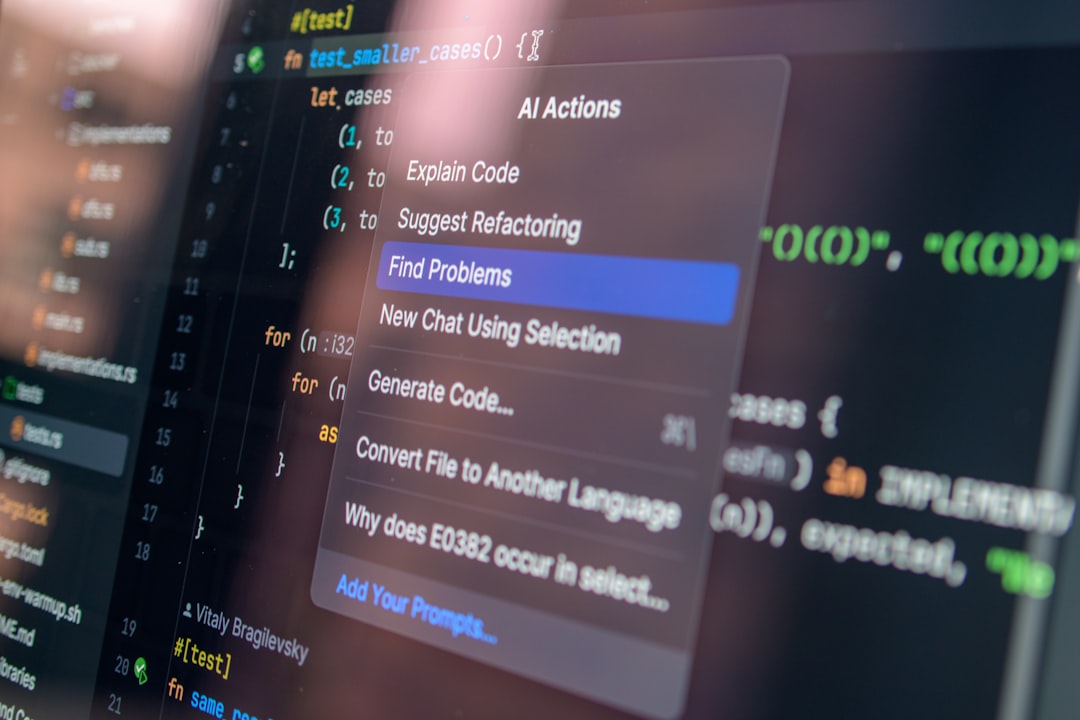
Google shipped Gemini 3.7 Flash on August 13, 2026. The company called it “our most intelligent workhorse model yet for coding and agents,” and priced it at half what its predecessor cost. I reach for Gemini weekly for quick queries and cross-checking facts, not coding. So Gemini 3.7 Flash landing with a coding-and-agents focus isn’t aimed at how I currently use it. That gap between what shipped and how I actually use the tool is exactly why it’s worth five honest minutes before deciding whether to change anything.
In this article
- What Gemini 3.7 Flash actually changed
- The benchmark number behind the “workhorse” claim
- Why the pricing move matters more than the model itself
- Whether this changes how I use Gemini day to day
What Gemini 3.7 Flash Actually Changed
The headline spec is the same 1,048,576-token context window carried over from Gemini 3.6 Flash, arriving three weeks after that model shipped. What moved is capability and price together. Google introduced Gemini 3.7 Flash at $0.75 per million input tokens and $3.75 per million output tokens — an introductory rate the company says expires at the end of the year. That lands at exactly half what 3.6 Flash cost.
Google positioned it specifically around coding and agentic workflows, rather than as a general-purpose refresh. That’s a narrower pitch than most model updates I’ve covered this year. Most of the launches I’ve written up in August so far — an open-weight model, an agent framework, a local on-device release — have all pointed the same direction. Smaller, cheaper, more task-specific. Not another broad “smartest model yet” claim aimed at every use case at once.
The Benchmark Number Behind the “Workhorse” Claim
On Google’s own DeepSWE v1.1 evaluation, Gemini 3.7 Flash scores 65.3%, against 49.0% for Gemini 3.6 Flash. That’s a 16-point jump on a benchmark built specifically around real software-engineering tasks, rather than general reasoning. It’s a meaningfully larger single-version jump than most of the coding-benchmark gains I’ve tracked from other labs this year. It’s worth remembering, though, that this is Google’s own evaluation, not an independent third-party score.
Why the Pricing Move Matters More Than the Model Itself
Cutting the price in half while posting a 16-point benchmark jump on the same context window is the kind of move that pressures every other coding-focused model on price, not just on capability.
That’s the pattern I flagged with Kimi K3 and NVIDIA NOOA earlier this month. Every time a lab lands a real capability gain at a lower price, it tightens the argument for what Claude, ChatGPT, and everyone else charges for comparable agentic coding work. Gemini 3.7 Flash’s introductory pricing has an expiration date. But the competitive pressure it puts on the rest of the market doesn’t disappear when the price does.
Whether This Changes How I Use Gemini Day to Day
Not yet, and not for the reason this week’s launch coverage would suggest. My own Gemini usage stays in the quick-query and cross-verification lane my persona has used it for since I added it to my stack. A coding-and-agents-focused model doesn’t automatically pull me away from Cursor or Claude Code, where the workflow — not just the model — is what I’ve built habits around.
For me, this is a genuine capability jump aimed at a job I don’t currently ask Gemini to do. I’d need a specific coding task where Cursor or Claude Code was falling short, before I’d go looking for a reason to route it through Gemini instead. Nothing about this release has handed me that reason yet. What it has done is add one more data point to a pattern worth naming out loud: cheaper, more targeted model releases are starting to outnumber the sweeping “best model overall” launches that used to dominate a typical month of AI news.
Sources
- Axios — Google’s Gemini 3.7 Flash arrives before Gemini 3.5 Pro
- DataNorth — Google releases Gemini 3.7 Flash for coding and agents
AI-assisted research and drafting. Reviewed and published by ToolMint.